
TRUST CENTER

A controlled evidence and compatibility hub. Explore what Goldshield technology has been studied on, safety records, and manufacturing transparency.

Official references & recognitions

Explore selected official sources, programme information and published research references.

References may apply to specific products, materials, programmes, markets or research contexts only. They do not represent blanket endorsement of all Goldshield®︎products or applications.

Published studies

See how Goldshield-related research connects laboratory and real-world evidence. Six peer-reviewed studies are presented with headline context and direct DOI links.

06 · peer-reviewed studies
Frontiers in Microbiology · 202201
NASA ISSInternational Space Station water-system material study

Biofilm protection research for NASA ISS water-system materials

NASA JPL and Montana State University researchers evaluated antimicrobial and antifouling coatings on materials relevant to International Space Station water systems, including space-flown Pseudomonas aeruginosa PA14.

ISS materialsTeflon, Inconel and other tested surfaces
BiofilmFocus on surface attachment and fouling control
View DOI source
American Journal of Infection Control · 201702
5 monthsRandomized double-blind ICU study

Sustained microbial-load reduction on ICU high-touch surfaces

A real-world ICU study compared treated high-touch hard surfaces with placebo rooms under the same routine cleaning protocol, showing sustained microbial-load reduction in the treated group.

18 roomsClinical high-touch environment
StaphylococcusIncluded targeted surface monitoring
View DOI source
American Journal of Infection Control · 201103
14 daysFabric residual antimicrobial observation

Residual antimicrobial activity on treated fabrics and hard surfaces

Henry Ford Hospital and Eastern Michigan University evaluated treated patient-gown fabric, Formica and stainless steel against clinical isolates including MRSA, Pseudomonas aeruginosa and Escherichia coli.

MRSAClinical isolate included
Fabric + hard surfacesDifferent material behavior compared
View DOI source
Aerosol Science & Technology · 201604
Mask layersBacterial aerosol and filtration assessment

Mask material and filtration-integrity research

The study evaluated treated surgical-mask layers under bacterial aerosol exposure and examined whether coating affected whole-mask filtration performance.

Aerosol testDefined laboratory exposure
FiltrationWhole-mask integrity considered
View DOI source
Building and Environment · 202405
>99.9%Bacterial and viral filtration efficiency in charged PP filter tests

Air-filter material integrity and antimicrobial performance

Oak Ridge National Laboratory evaluated Goldshield 75 coating on polypropylene, charged polypropylene and commercial 3M filter media, including particle, bacterial and viral filtration performance.

90 daysM. luteus antimicrobial activity observed
PhiX174Virus filtration challenge organism
View DOI source
Textile Research Journal · 202206
HCoV-229EResidual viral activity protocol on treated textiles

Standardized assessment for residual viral activity on treated textiles

The publication developed and applied a standardized method to evaluate residual viral activity on treated cotton textiles using HCoV-229E and cell-culture infectivity methods.

TCID50Cell-culture infectivity method
TextilesProtocol-focused published research
View DOI source
TESTING DATA

Testing evidence from clinical and laboratory studies

Review selected Goldshield-related study figures together with the testing setting, key outcomes and publication source, making it easier to understand what was tested, on which surfaces and against which microorganisms.

Oakwood Hospital and Medical Center

Field tracking of high-touch patient-room surfaces

A single-arm prospective observational study covered 18 patient rooms, 6 high-touch locations per room and 18 patient turnovers per room. Goldshield 75 was applied after standard cleaning. The study used repeated-measures negative binomial regression to analyze CFU/100 cm² changes for total bacteria, Gram-negative bacteria and Staphylococcus aureus, with quantitative microbial risk assessment.

This follows real patient-room use over multiple turnovers, not only the moment immediately after cleaning.

P < .0001 Gram-negative bacteriaP = .009 Staphylococcus aureus4 / 3 log modelled infection-risk reduction

Source: Perez et al., American Journal of Infection Control 43 (2015) 1201-1207. DOI: 10.1016/j.ajic.2015.06.013

Henry Ford Hospital / Eastern Michigan University

Residual antimicrobial testing on medical fabrics and surfaces

The study is useful because it looks beyond hard surfaces and includes fabric, where microbes can behave differently.

14 days2.4 log10
Oak Ridge National Laboratory

Long-lasting antimicrobial performance on air-filter media

This study connects two practical questions: can the filter still filter well, and can the coated media suppress microbes captured on it?

90 days>99.9%
Montana State University / NASA Jet Propulsion Laboratory

Biofilm control on ISS water-system materials

Biofilm is the protective layer microbes form on surfaces; controlling it is especially important in closed water-system environments.

Effective coating2-2.8 log

Tested microbes & research coverage

The list below compiles microbes, fungi, yeasts, algae and viruses covered in Goldshield® technical documentation and approved evidence. Results vary by product formulation, material, application method, contact time, residual age and test conditions.

84+tested microbes / strains covered in Goldshield® technical documentation and approved evidence
41 Bacteria26 Fungi / Moulds
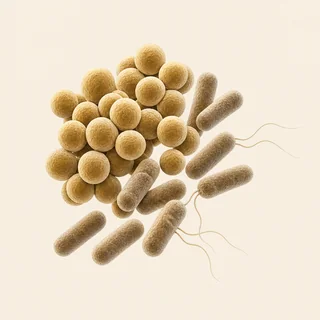
BacteriaCocci and rod-shaped bacteria
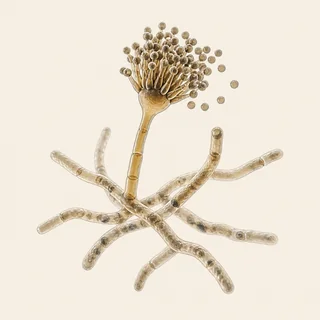
Fungi / MouldsFungal hyphae and spores
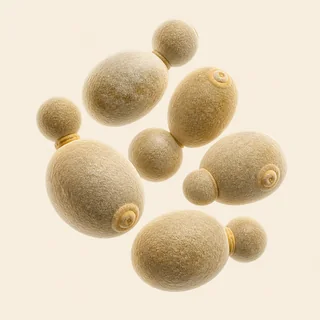
YeastBudding yeast cells
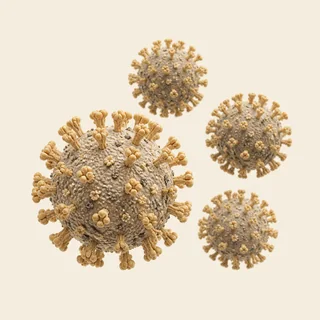
VirusesEnveloped virus particles
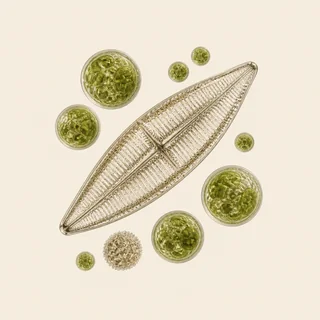
Algae / environmentalDiatoms and microalgae
Approved research evidenceSupported by peer-reviewed studies
Micrococcus sp.Technical documentationStaphylococcus epidermidisTechnical documentationEnterobacter agglomeransTechnical documentationAcinetobacter calcoaceticusTechnical documentationStaphylococcus aureus (pigmented)Technical documentationHard surfaceTextileStaphylococcus aureus (non-pigmented)Approved researchHard surfaceTextileMethicillin-resistant Staphylococcus aureus (MRSA)Approved researchTextileHard surfaceClostridium difficileTechnical documentationBurkholderia cepaciaTechnical documentationKlebsiella pneumoniae ATCC 4352Technical documentationPseudomonas aeruginosaApproved researchTextileHard surfacePseudomonas aeruginosa PRD-10Technical documentationStreptococcus faecalisTechnical documentationEscherichia coli ATCC 23266Technical documentationEscherichia coliApproved researchTextileHard surfaceEnterococcus faecalis ATCC 51299Approved researchTextileFilterProteus mirabilisTechnical documentationCitrobacter diversusTechnical documentationSalmonella typhosaTechnical documentationSalmonella choleraesuisTechnical documentationCorynebacterium bovisTechnical documentationMycobacterium smegmatisTechnical documentationMycobacterium tuberculosisTechnical documentationBrucella canisTechnical documentationBrucella abortusTechnical documentationBrucella suisTechnical documentationStreptococcus mutansTechnical documentationBacillus subtilisTechnical documentationBacillus cereusTechnical documentationClostridium perfringensTechnical documentationHaemophilus influenzaeTechnical documentationHaemophilus suisTechnical documentationLactobacillus caseiTechnical documentationLeuconostoc lactisTechnical documentationListeria monocytogenesTechnical documentationPropionibacterium acnesTechnical documentationProteus vulgarisTechnical documentationPseudomonas cepaciaTechnical documentationPseudomonas fluorescensTechnical documentationXanthomonas campestrisTechnical documentationAcinetobacter baumanniiApproved researchTextileFilter

The list above represents tested microbes and research targets covered in Goldshield® technical documentation or approved evidence. Actual results vary by product model, formulation, material, application method, contact time, residual age and test conditions. Evidence for a single microbe, material or study should not be treated as evidence for all Goldshield® products or applications. This page is provided for technical and hygiene-management reference only and is not a medical, treatment or disease-prevention claim.

Explore Materials & Applications

Find guidance by surface, material and intended environment.

Results depend on formulation, material, application method, contact time, residual age and test conditions. Evidence for one product, organism or material should not be treated as evidence for all Goldshield®︎products or applications.

Need approved evidence for a specific product, material or market? Request only what applies to your context.